
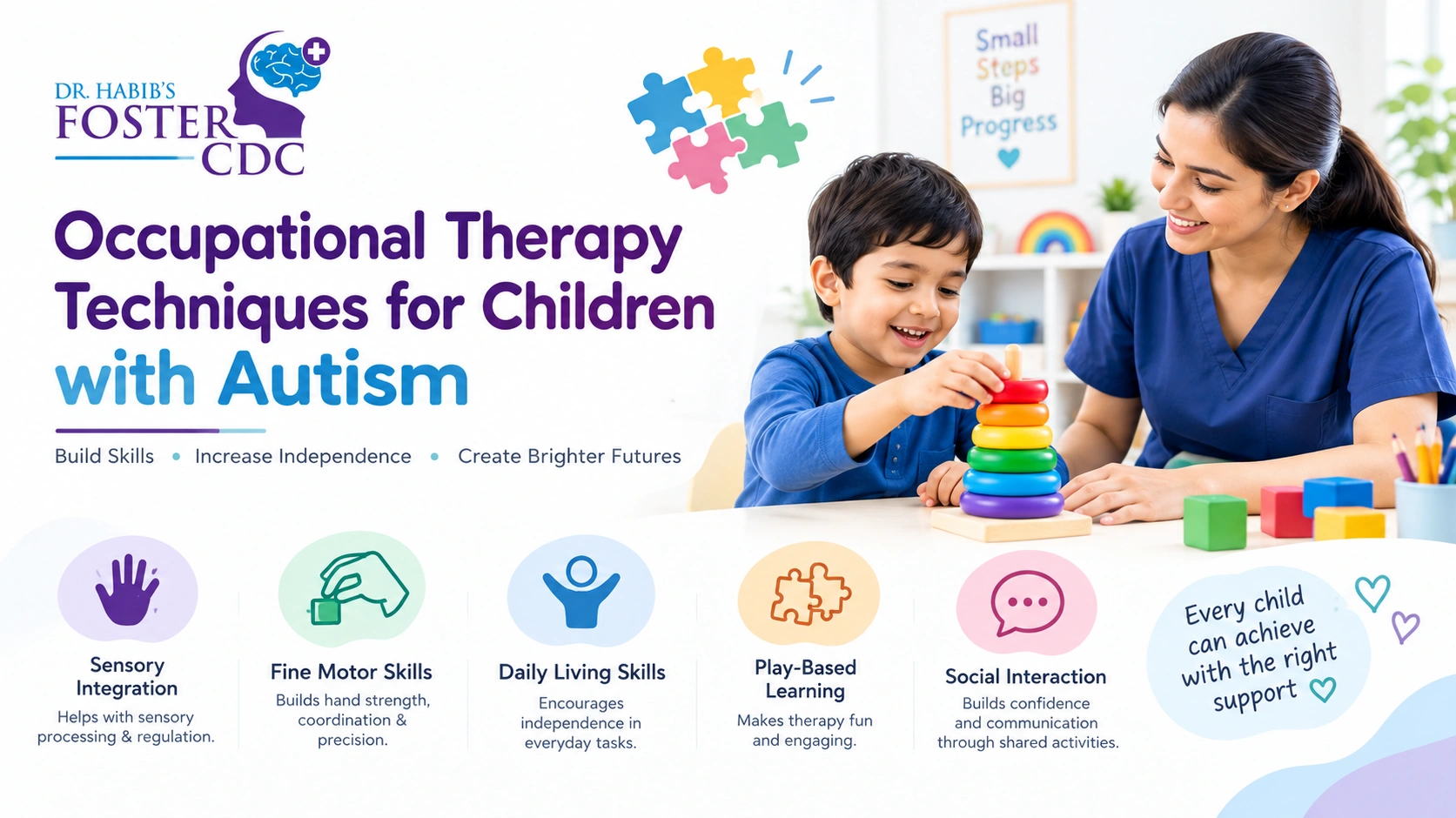
If your child has already started occupational therapy — or you’re weighing whether to — you may be past the “what is OT and why does it matter” stage and into a more specific question: what actually happens in a ...
Read More
If your child has already started occupational therapy — or you’re weighing whether to — you may be past the “what is OT and why does it matter” stage and into a more specific question: what actually happens in a ...
Read More
When most people think of ADHD, they picture a child who can’t sit still or focus. What often goes unnoticed is everything underneath that: the fidgeting that’s actually a way of self-regulating, the messy handwriting that isn’t about effort, the ...
Read More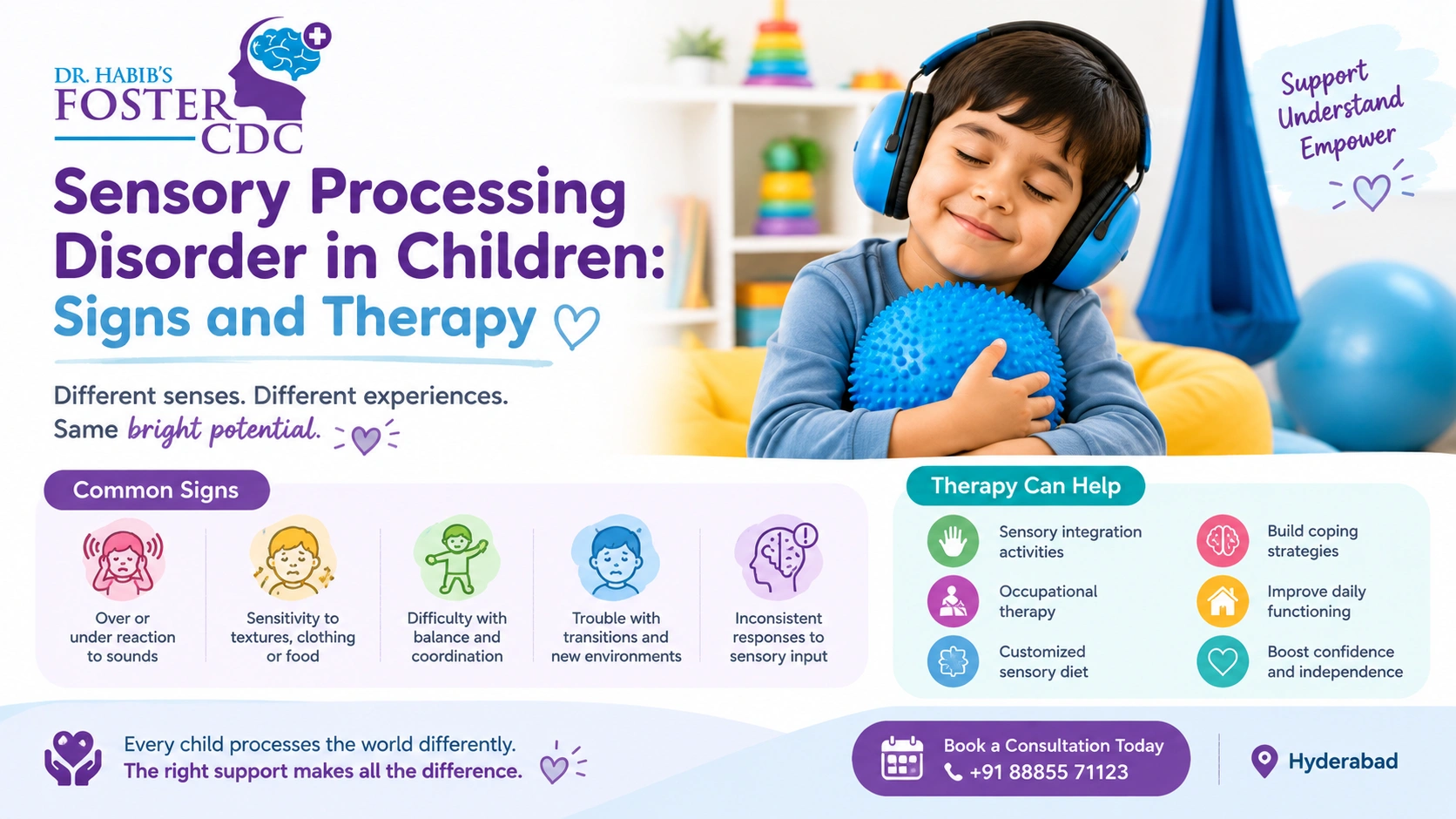
Sensory processing disorder (SPD) is a condition where a child’s brain has difficulty receiving and responding to information from the senses — sound, touch, taste, movement, and body position — in a typical way. It can make a child over-react ...
Read More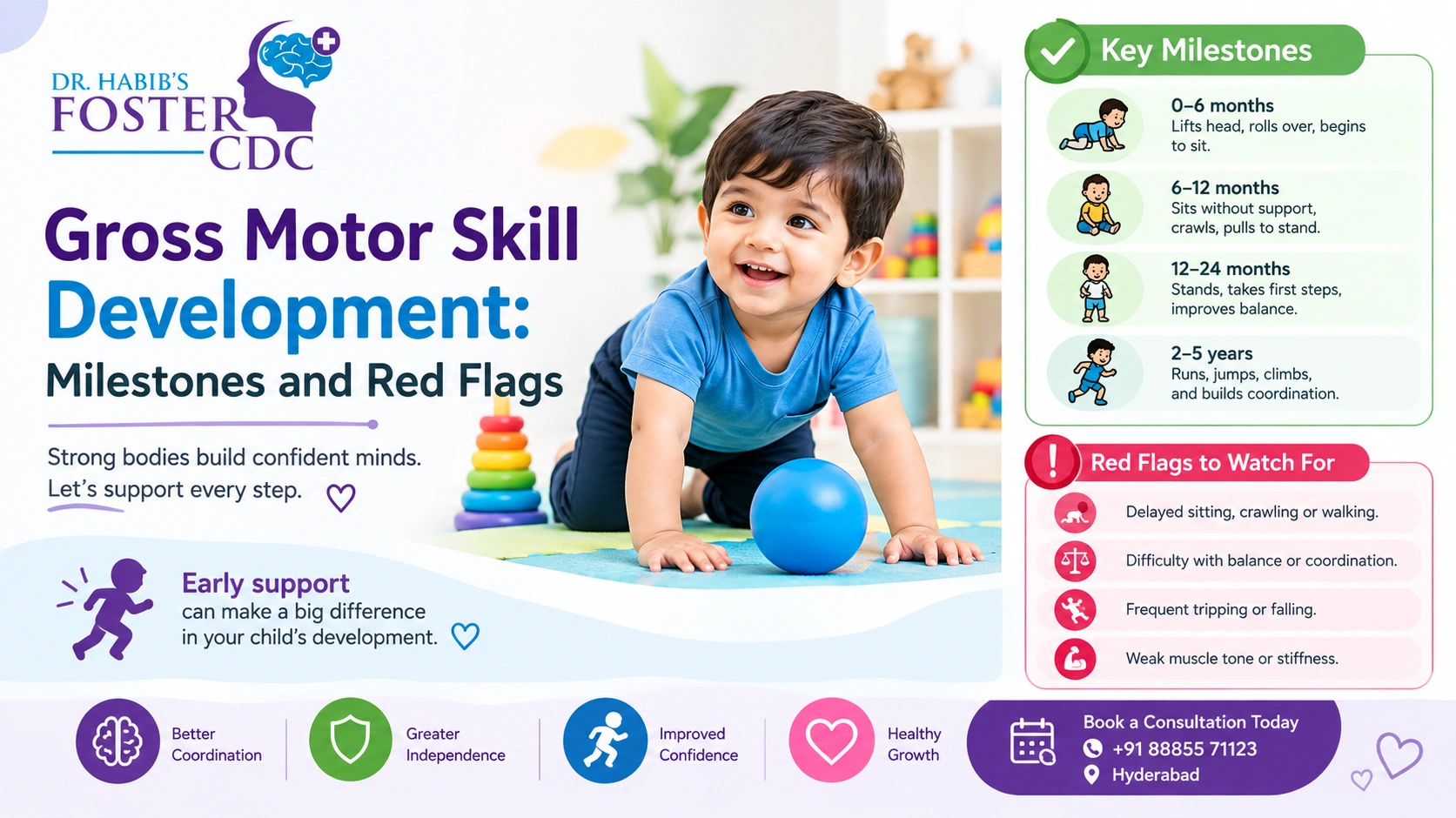
Your child’s cousin was running at 13 months. Your child is 16 months and still cruising along the furniture. A friend’s toddler catches a ball without flinching; yours turns away every time. Is this just a different pace of development, ...
Read More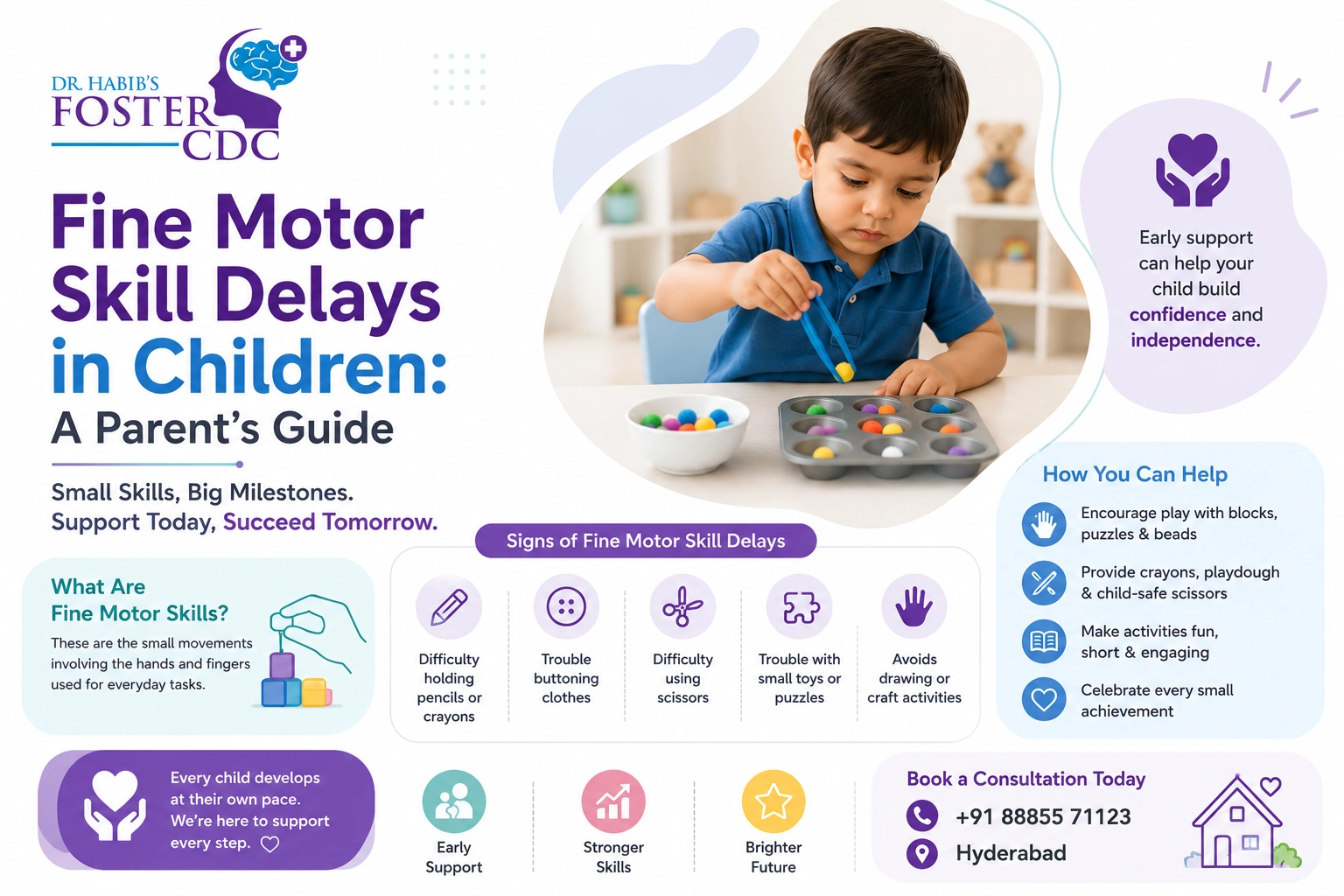
Struggling to button a shirt. Avoiding drawing or coloring. A pencil grip that looks nothing like a classmate’s. A lot of parents notice these things and assume it’s just clumsiness, or that their child “isn’t interested” in fine motor tasks ...
Read More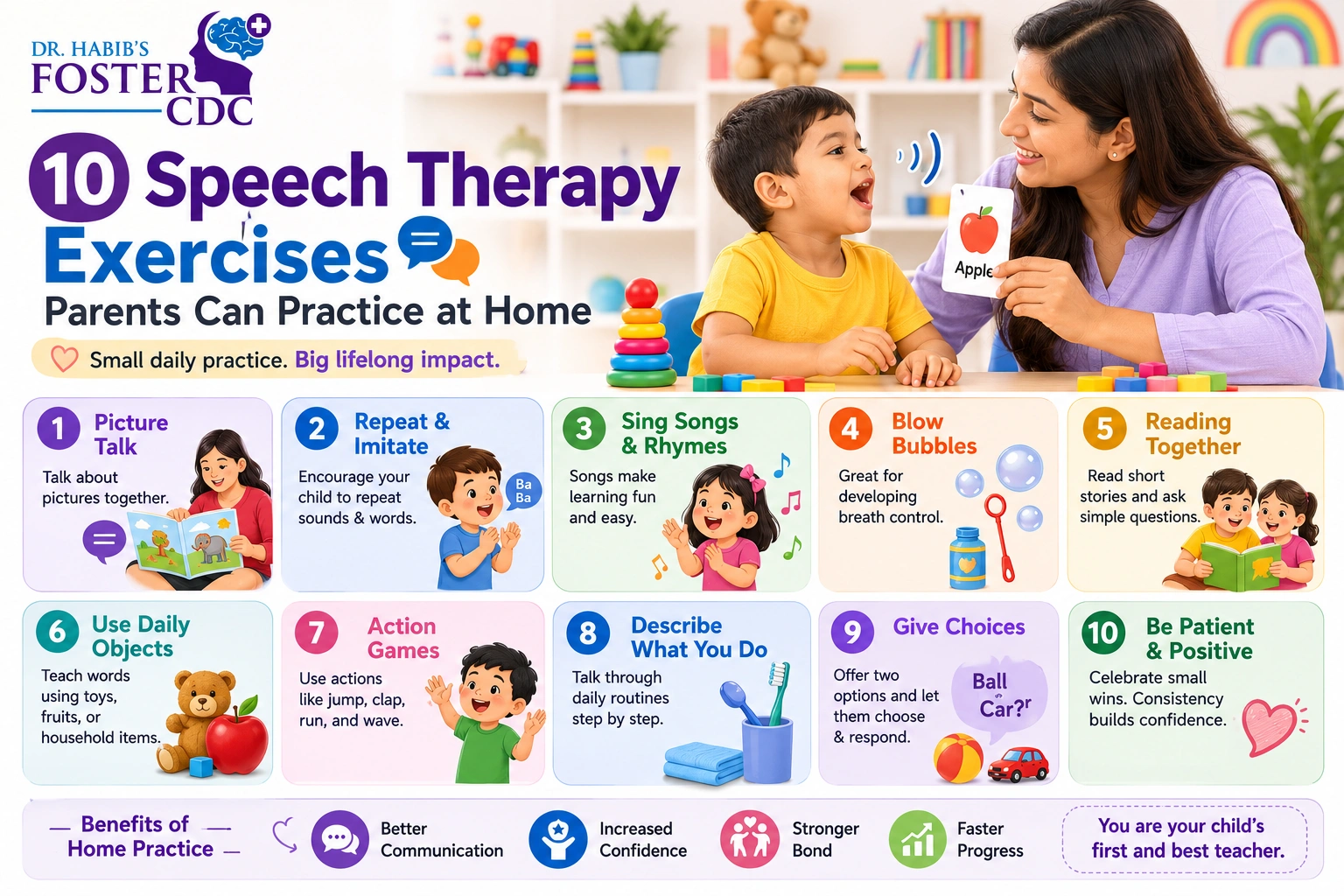
Speech therapy works best when it doesn’t stay confined to a weekly session. Children build language through repetition and real-life interaction — which means the twenty minutes in a clinic each week matter far less on their own than what ...
Read More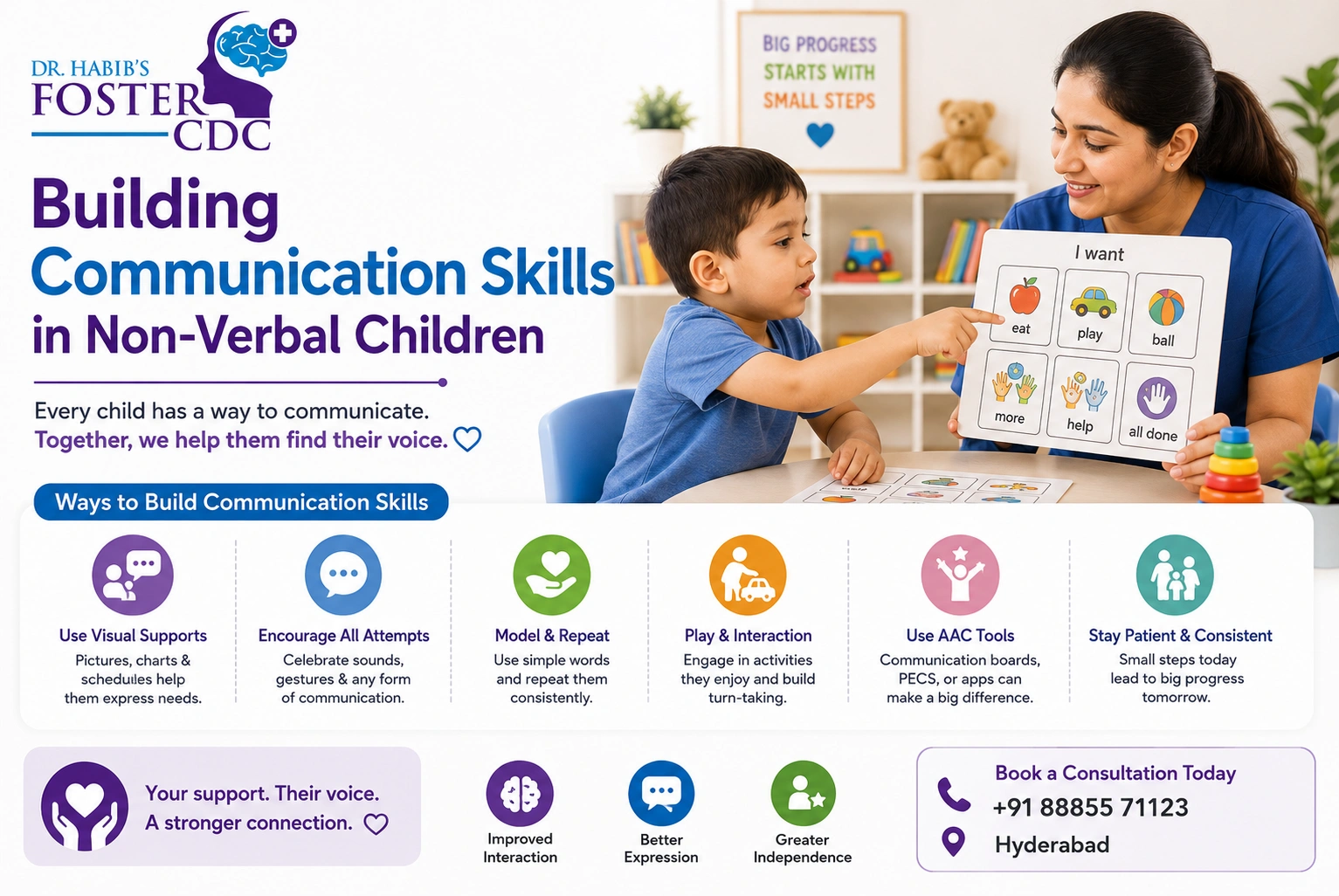
“Non-verbal” is one of the most misunderstood words in child development. It doesn’t mean a child has nothing to say, or that meaningful communication is out of reach — it means their path to communication doesn’t run primarily through spoken ...
Read More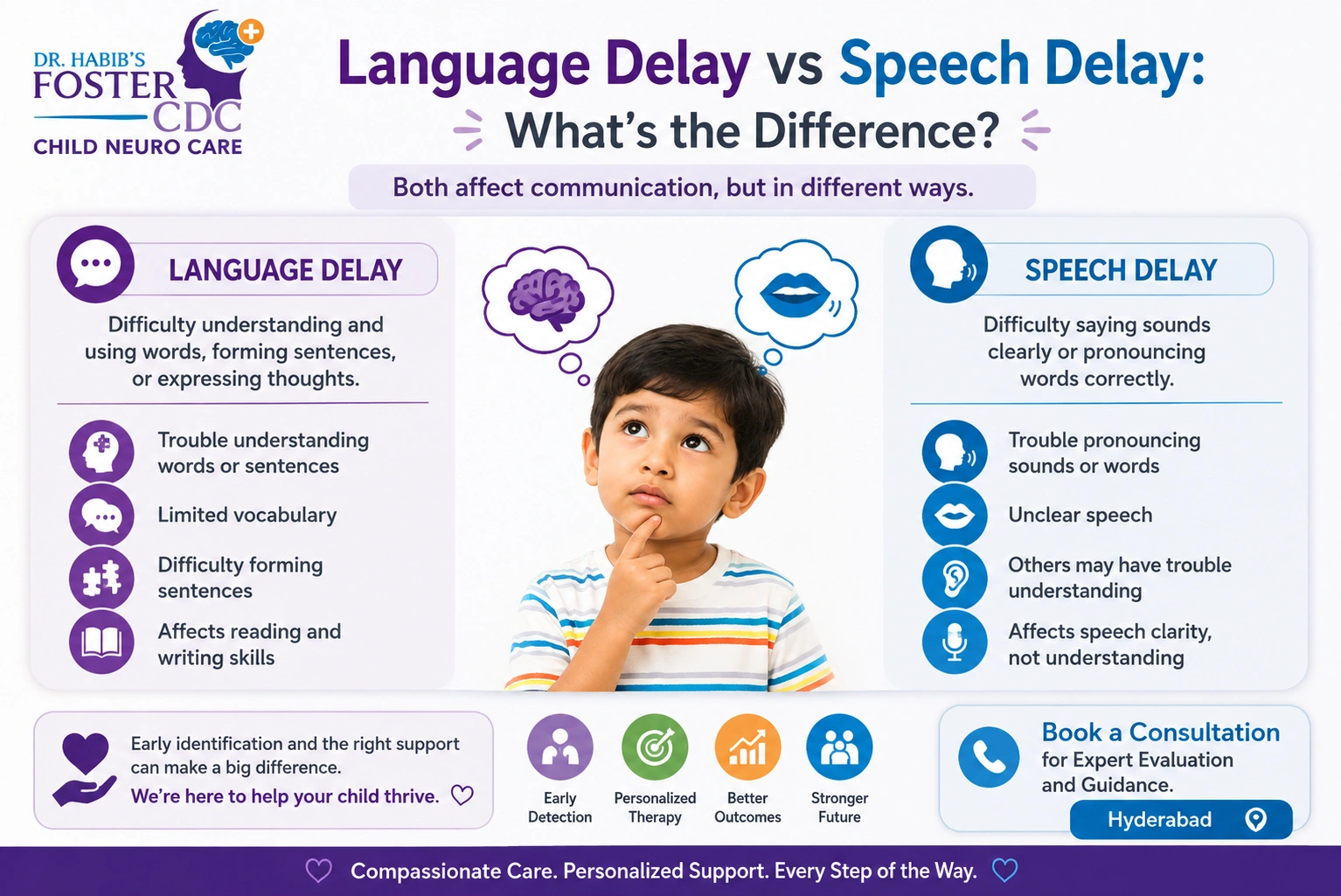
Parents often use “speech delay” and “language delay” interchangeably — and honestly, most people do, including well-meaning family members offering opinions. But the two are different, and knowing which one you’re actually seeing changes what kind of help is appropriate. ...
Read More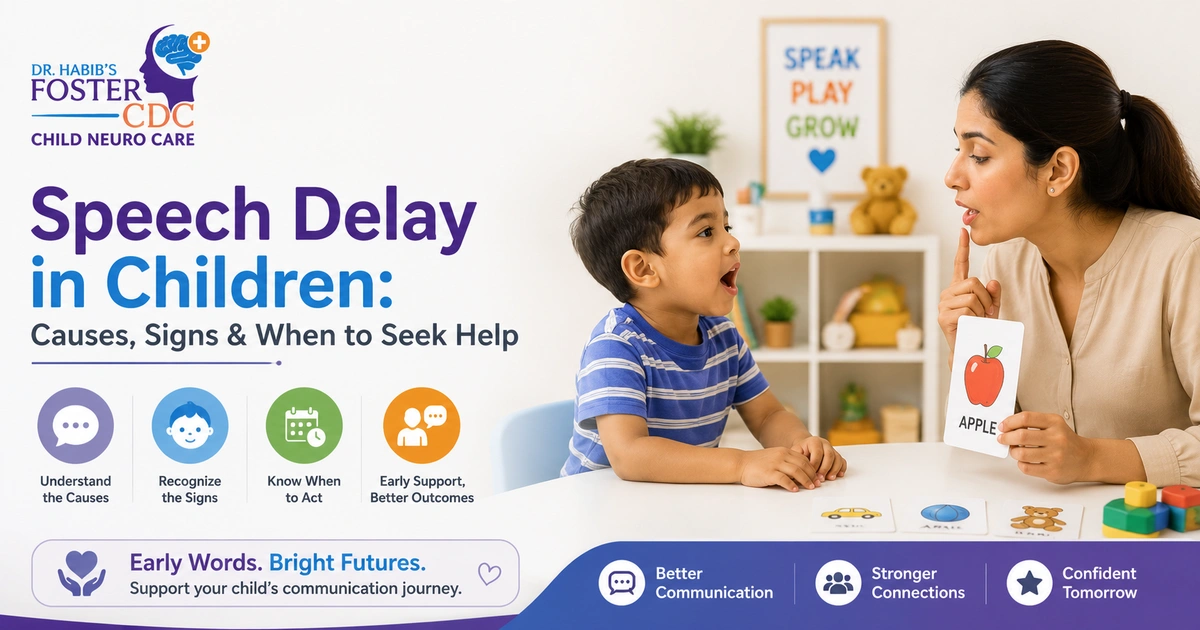
“Every child develops at their own pace” is true — and it’s also the phrase that keeps a lot of parents waiting longer than they should before getting a real answer. If your child isn’t talking as much as their ...
Read More
There’s a specific kind of exhaustion that comes with parenting a child on the autism spectrum — not just the physical demands of therapy schedules and appointments, but the emotional weight of worry, grief, and uncertainty that often goes unspoken. ...
Read More
Recent Comments