
Attention-Deficit/Hyperactivity Disorder (ADHD) is far more than occasional inattention or childhood restlessness. It is a neurodevelopmental condition that affects how a child’s brain functions on a daily basis—impacting attention span, impulse control, emotional regulation, learning patterns, and social interactions. Children with ADHD often think, feel, and respond differently, not because they lack discipline or intelligence, but because their brains process information in unique ways.
For parents seeking ADHD treatment in Hyderabad, the journey can feel overwhelming at first. Many families struggle with questions, confusion, and even guilt—wondering if they have done something wrong or if their child will be able to thrive academically, socially, and emotionally. The most important truth to remember is this: ADHD is manageable, and with the right support, children with ADHD can grow into confident, capable, and successful individuals.
Understanding Your Child’s Needs
Every child with ADHD is different. Some may struggle primarily with attention and learning, while others may show impulsive behavior, emotional outbursts, or hyperactivity. A proper diagnosis by an experienced pediatric neurologist or child development specialist is the first critical step. Comprehensive evaluation helps identify not only ADHD but also any coexisting conditions such as learning disabilities, anxiety, or autism spectrum traits, ensuring that treatment is truly personalized.
The Role of Clinical Expertise
Effective ADHD treatment begins with expert medical guidance. In Hyderabad, specialized neuro medical centers and pediatric neurology clinics focus on evidence-based approaches to ADHD management. Treatment plans may include behavioral therapy, parent counseling, academic support strategies, and, when necessary, medication. Medication is not about changing a child’s personality—it is about helping the brain regulate attention and impulses more effectively so the child can engage better with learning and daily life.
Specialized Therapies That Make a Difference
Therapies play a vital role in helping children build essential life skills. Behavioral therapy helps children understand their actions and develop better self-control. Occupational therapy can improve focus, organization, and sensory regulation. Cognitive and learning interventions support academic performance, while social skills training helps children build confidence in peer interactions. When these therapies are guided by trained professionals, progress becomes more structured and sustainable.
Creating a Supportive Home Environment
Treatment does not stop at the clinic—it continues at home. A predictable routine, clear expectations, positive reinforcement, and patient communication can significantly improve a child’s ability to cope with ADHD. Parents play a powerful role by becoming advocates for their child, working closely with doctors, therapists, and teachers to ensure consistency across all environments.
Helping Your Child Succeed
The key to helping a child with ADHD succeed is shifting the focus from “fixing” the child to supporting the way their brain works. With early intervention, the right medical care, and a nurturing environment, children with ADHD can develop strong problem-solving skills, creativity, resilience, and emotional intelligence.
For families seeking ADHD treatment in Hyderabad, hope lies in understanding, expert care, and collaboration. ADHD does not define a child’s future—it simply means their path to success may look different. With the right guidance and unwavering support, that path can lead to growth, confidence, and lifelong achievement.

The Core of ADHD: Understanding the Brain
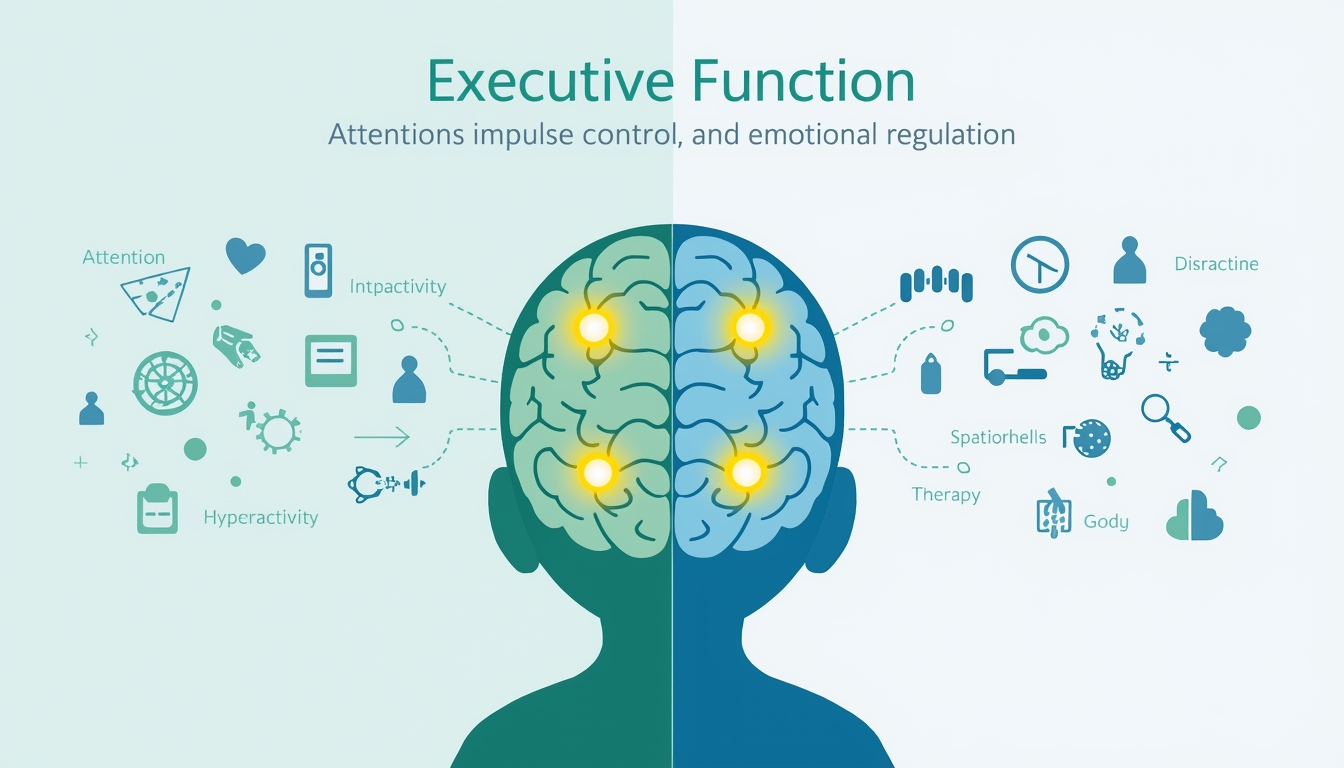
ADHD is fundamentally a disorder of “Executive Function.” This refers to the brain’s “control center” responsible for planning, organizing, and executing tasks. When this center functions differently, as it does in children with ADHD, common daily activities like getting dressed or sitting through a class become monumental challenges.
The Three Presentations of ADHD
To effectively tailor ADHD treatment in Hyderabad, specialists categorize the condition into three presentations:
- Predominantly Inattentive: Often overlooked because they aren’t “disruptive,” these children struggle with follow-through, lose items frequently, and seem to be “daydreaming.”
- Predominantly Hyperactive-Impulsive: These children are “driven by a motor.” They struggle to wait their turn, talk excessively, and act without thinking of consequences.
- Combined Presentation: This is the most common form, where a child displays a mix of both inattentive and hyperactive symptoms.
- The Role of a Pediatric Neurologist in Hyderabad
While many general practitioners can identify ADHD, a pediatric neurologist in Hyderabad brings a specialized understanding of the developing nervous system.
Why a Neurologist?
The brain of a child with ADHD often shows differences in the levels of neurotransmitters like dopamine and norepinephrine. A pediatric neurologist can:
- Rule Out Mimics: Conditions like absence seizures, sleep apnea, or specific thyroid issues can mimic ADHD symptoms.
- Identify Co-morbidities: It is very common for ADHD to coexist with learning disabilities, anxiety, or developmental disorder management
- Precision Medicine: If medication is required, a neurologist can fine-tune dosages to ensure they work with the child’s specific brain chemistry.
Dr. Habib, a leading name in this field, emphasizes that neurological developmental care must be holistic. It isn’t just about a prescription; it’s about understanding the “why” behind the behavior.
- Multimodal ADHD Treatment in Hyderabad: The Gold Standard
Scientific consensus points to “multimodal treatment” as the most effective path. This means attacking the symptoms from multiple angles simultaneously.
A. Childhood Behavioral Therapy
Childhood behavioral therapy is often the first line of defense, especially for younger children. Rather than focusing on “fixing” the child, this therapy focuses on changing the environment and the child’s response to it.
- Positive Reinforcement: Using token systems or immediate praise to reward desired behaviors.
- Self-Regulation Training: Teaching children to recognize when their “engine is running too fast” and using techniques to slow down.
- Parent Training: Empowering parents with the tools to manage meltdowns without escalating the situation.
B. Pharmacological Intervention
When symptoms significantly impair a child’s ability to learn or make friends, medication may be considered. These are generally divided into:
- Stimulants: Which help increase the “signal-to-noise” ratio in the brain, improving focus.
- Non-Stimulants: Often used if stimulants aren’t well-tolerated or if there are concerns about anxiety or tics.
C. Educational Accommodations
The classroom is often the “front line” for ADHD. Effective ADHD treatment in Hyderabad involves collaborating with schools to implement:
- Individualized Education Programs (IEP): Tailored learning goals.
- Preferential Seating: Placing the child away from distractions (like windows or noisy hallways).
- Extended Time: Allowing extra time for tests to account for slower processing speeds.
- Lifestyle and Nutritional Interventions
The brain does not exist in a vacuum. What a child eats and how they live directly impacts their ability to focus.
The ADHD “Brain Diet”
While no diet can “cure” ADHD, certain nutritional shifts can support neurological developmental care:
- High-Protein Breakfasts: Protein helps stabilize blood sugar and supports neurotransmitter production.
- Omega-3 Fatty Acids: Found in fish oil, these are crucial for brain cell communication.
- Reducing Artificial Additives: Some studies suggest that certain food dyes and preservatives can exacerbate hyperactivity in sensitive children.
The Power of Routine
For a child with ADHD, “structure is the medicine.”
- Visual Schedules: Using charts to show the day’s plan helps reduce the anxiety of the unknown.
- Exercise: Physical activity provides a natural “hit” of dopamine, which can improve focus for several hours afterward.
- Overcoming the Social Challenges of ADHD
One of the most painful aspects of ADHD is the social toll. Children may be labeled “difficult” or “aggressive” because they interrupt or struggle with personal space.
Specialized ADHD treatment in Hyderabad at centers like Dr. Habib’s Foster CDC includes social skills training. Children practice:
- Reading non-verbal cues (body language).
- Wait-time and turn-taking.
- Conflict resolution without impulsive reactions.

Frequently Asked Questions
1: Is ADHD just a result of too much screen time?
No. While excessive screen time can make attention issues worse, ADHD is a neurodevelopmental condition present from birth. It is rooted in genetics and brain structure, not video games or tablets.
2: Can a child “outgrow” ADHD?
Most children do not “outgrow” it, but they do learn to manage it. About 60-70% of children with ADHD continue to have symptoms into adulthood, though the hyperactivity often transforms into internal restlessness.
3: Is medication always necessary for ADHD treatment in Hyderabad?
Not always. Many families successfully manage ADHD through a combination of childhood behavioral therapy, diet, and school support. Medication is a tool used when other interventions aren’t enough to help the child function.
4: How do I tell the difference between “normal” toddler energy and ADHD?
The key is “functional impairment.” All toddlers are active, but a child with ADHD will have symptoms that are significantly more severe than their peers and cause problems in multiple settings (both at home and at school/preschool).
5: What are the long-term risks of untreated ADHD?
Untreated ADHD can lead to chronic low self-esteem, academic failure, and a higher risk of substance abuse or depression in the teenage years. This is why seeking early ADHD treatment in Hyderabad is so critical.
6: What is the “Foster CDC” approach used by Dr. Habib?
A: Dr. Habib’s Foster CDC (Child Development Centre) utilizes a multidisciplinary approach. It isn’t just a doctor’s visit; it’s an ecosystem where pediatric neurologists, psychologists, and speech therapists work together to create a 360-degree plan for developmental disorder management.
7: Does Dr. Habib’s clinic provide support for school-related ADHD issues?
Yes. A major part of the ADHD treatment in Hyderabad provided by Dr. Habib involves generating detailed reports and recommendations that parents can take to their child’s school to advocate for necessary classroom accommodations and support.
Conclusion
ADHD is not a deficit of character; it is a difference in wiring. When parents seek out specialized ADHD treatment in Hyderabad, they are moving toward a future where their child’s unique energy and creativity can shine.
Whether it is through childhood behavioral therapy, medical management, or lifestyle changes, the goal of neurological developmental care is to provide the “ramp” that allows the child to reach the same heights as their peers. By choosing a specialist like Dr. Habib, you are ensuring your child has the best possible guide for this journey.
Through a combination of childhood behavioral therapy, medical management, and carefully guided lifestyle changes, neurological developmental care focuses on empowering the child. Behavioral therapies help children develop emotional regulation, focus, and social skills, while medical support—when required—assists the brain in maintaining attention and impulse control. Lifestyle modifications, including structured routines, healthy sleep patterns, and supportive learning environments, further strengthen these interventions. Together, these strategies act as a “ramp,” enabling children with ADHD to access the same opportunities and achievements as their peers, in ways that suit their unique needs.
Choosing the right specialist is a crucial part of this journey. Under the care of an experienced pediatric neurologist like Dr. Habib, families receive not just treatment, but guidance, reassurance, and a clear path forward. With expert evaluation, personalized care plans, and ongoing parental support, children with ADHD can build confidence, resilience, and independence. With the right guide, their differences become strengths—and their future becomes full of possibility.

Recent Comments