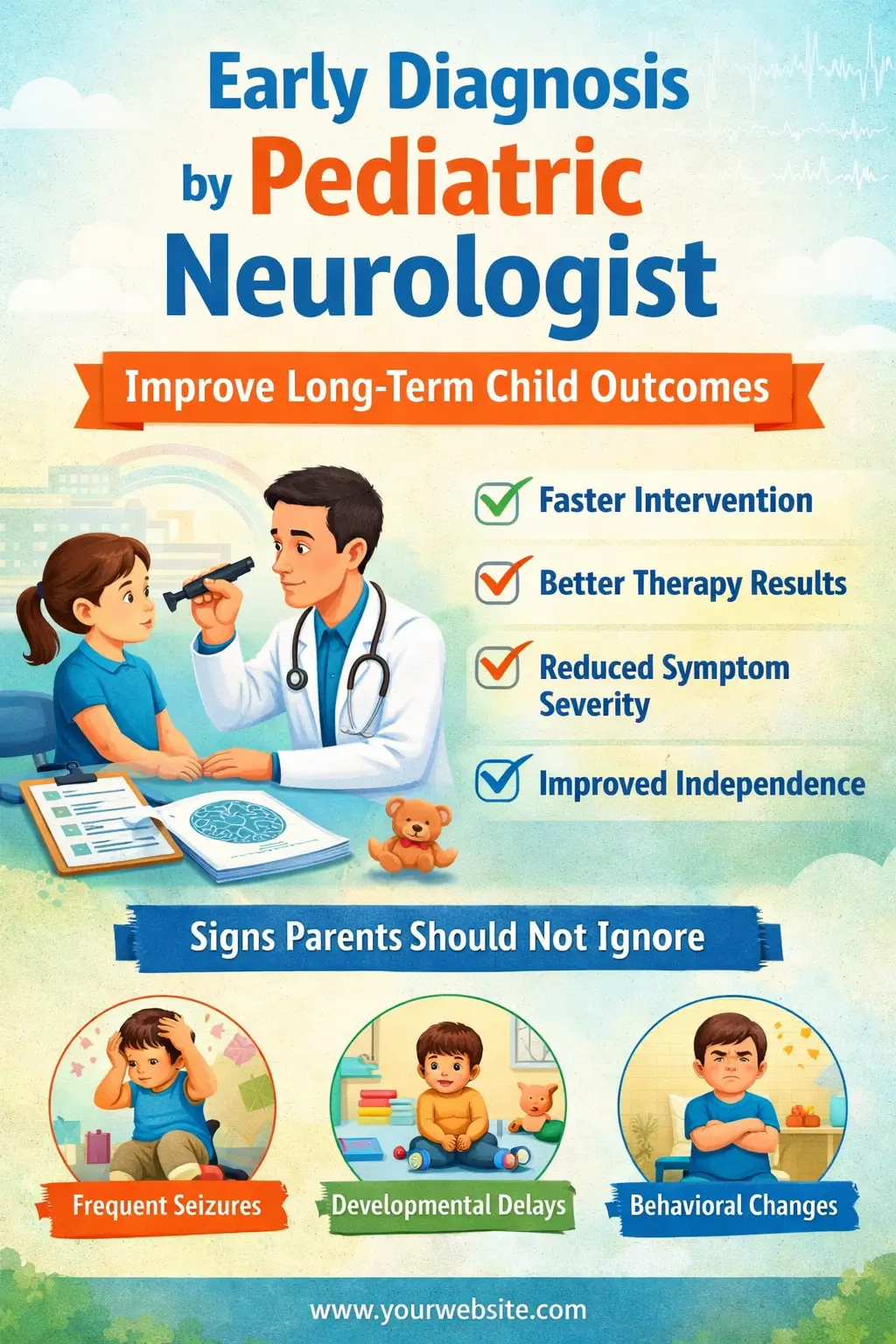
Early identification of neurological conditions in children can significantly change their developmental trajectory. Consulting a pediatric neurologist early diagnosis specialist ensures that concerns like seizures, developmental delays, or behavioral disorders are addressed at the right time. The earlier a condition is diagnosed, the better the chances of effective intervention and long-term improvement.
In this guide, we explain how early diagnosis by a pediatric neurologist leads to better outcomes and what parents should watch for.
Why Early Diagnosis by a Pediatric Neurologist Matters
A pediatric neurologist early diagnosis approach focuses on identifying brain and nervous system disorders during the critical stages of development.
Key Benefits of Early Neurological Diagnosis
- Faster identification of underlying conditions
- Early start of treatment and therapies
- Prevention of complications
- Improved cognitive and physical development
Children’s brains are highly adaptable in early years, making early intervention more effective.
Understanding Common Neurological Conditions in Children
Recognizing symptoms early can help parents seek timely medical care.
Conditions Diagnosed by Pediatric Neurologists
- Autism spectrum disorder (ASD)
- Epilepsy and seizures
- Cerebral palsy
- ADHD and behavioral disorders
- Developmental delay in children
Early Signs Parents Should Not Ignore
- Delayed speech or motor milestones
- Frequent seizures or unusual movements
- Lack of eye contact or social interaction
- Poor coordination or muscle stiffness
Early consultation with a child neurologist specialist can prevent long-term complications.
Role of Pediatric Neurologist in Early Intervention
A pediatric neurologist early diagnosis does more than just identify the condition—it creates a roadmap for treatment.
What a Pediatric Neurologist Does
- Conducts neurological assessments
- Recommends diagnostic tests (EEG, MRI, etc.)
- Develops personalized treatment plans
- Coordinates with therapists and specialists
Multidisciplinary Approach for Better Outcomes
Early diagnosis often involves collaboration with:
- Speech therapists
- Occupational therapists
- Behavioral therapists
- Special educators
This integrated care model ensures holistic child development.
How Early Diagnosis Improves Long-Term Outcomes
Timely intervention leads to measurable improvements in multiple areas.
1. Better Brain Development and Neuroplasticity
The young brain can adapt and reorganize itself. Early therapy strengthens neural connections and improves function.
2. Improved Communication and Learning Skills
Children receiving early therapy show better speech, comprehension, and academic readiness.
3. Reduced Severity of Symptoms Over Time
Conditions like autism or ADHD can be better managed when diagnosed early.
4. Increased Independence and Quality of Life
Early treatment helps children develop essential life skills and social abilities.
Importance of Early Intervention Therapy Programs
Diagnosis alone is not enough—timely therapy is equally important.
Essential Early Intervention Therapies
- Speech and language therapy
- Occupational therapy for motor skills
- Behavioral therapy (ABA therapy)
- Sensory integration therapy
A well-structured early intervention program for children enhances long-term outcomes.
When Should You Consult a Pediatric Neurologist?
Many parents delay consultation, hoping the child will “catch up.” This delay can impact progress.
Situations That Require Immediate Attention
- Seizures or sudden body jerks
- Loss of previously learned skills
- Persistent developmental delays
- Behavioral changes or hyperactivity
Searching for a pediatric neurologist near me for child development issues can help you find timely care.
How to Choose the Right Pediatric Neurologist
Selecting the right specialist ensures accurate diagnosis and effective treatment.
Factors to Consider
- Experience in treating pediatric neurological disorders
- Access to diagnostic facilities
- Multidisciplinary support team
- Positive patient reviews and outcomes
A qualified best pediatric neurologist for children provides both medical expertise and parental guidance.
Long-Term Impact of Delayed Diagnosis
Ignoring early symptoms can lead to challenges later in life.
Risks of Late Diagnosis
- Delayed cognitive development
- Learning difficulties
- Behavioral issues
- Reduced therapy effectiveness
Early action can prevent these long-term complications.
Parent’s Role in Early Diagnosis and Treatment
Parents play a crucial role in identifying symptoms and ensuring consistency in therapy.
What Parents Can Do
- Monitor developmental milestones
- Maintain therapy routines at home
- Communicate regularly with specialists
- Stay informed about child development
Active parental involvement enhances treatment success.
Frequently Asked Questions (FAQs)
What does a pediatric neurologist treat in children?
A pediatric neurologist diagnoses and treats conditions related to the brain, spine, and nervous system, including seizures, autism, ADHD, and developmental delays.
At what age should a child see a pediatric neurologist?
If developmental delays or unusual symptoms appear, consultation can begin as early as infancy.
Can early diagnosis cure neurological disorders?
While not all conditions can be cured, early diagnosis significantly improves management and outcomes.
How is neurological diagnosis done in children?
It involves clinical evaluation, developmental assessments, and tests like EEG or MRI when needed.
Is early intervention really effective?
Yes, early intervention improves brain development, communication skills, and overall quality of life.
Final Thoughts
Early diagnosis by a pediatric neurologist early diagnosis expert can transform a child’s future. Timely identification, combined with the right therapies, leads to better developmental outcomes, improved learning abilities, and enhanced quality of life.
If you notice any developmental concerns, don’t wait—early action is the key to long-term success.

Recent Comments