Epilepsy precautions
Epilepsy is a common neurological disorder characterized by recurring unprovoked seizures.
Medication allows around 70% of children with epilepsy to manage their seizures. Children who continue to suffer from seizures are more sensitive to the possible safety concerns connected with them, particularly when seizures occur unexpectedly and impair consciousness.
Epilepsy precautions
Epilepsy, like other chronic illnesses such as asthma or diabetes, carries inherent hazards. If left unchecked, these can have significant consequences.
When seizures are inadequately managed, the hazards associated with them increase. Good seizure management is the first step towards lowering seizure risks.
Seizures can result in injuries or falls, and they can also be more serious, leading to or causing death.
First Aid for Epileptic Seizures
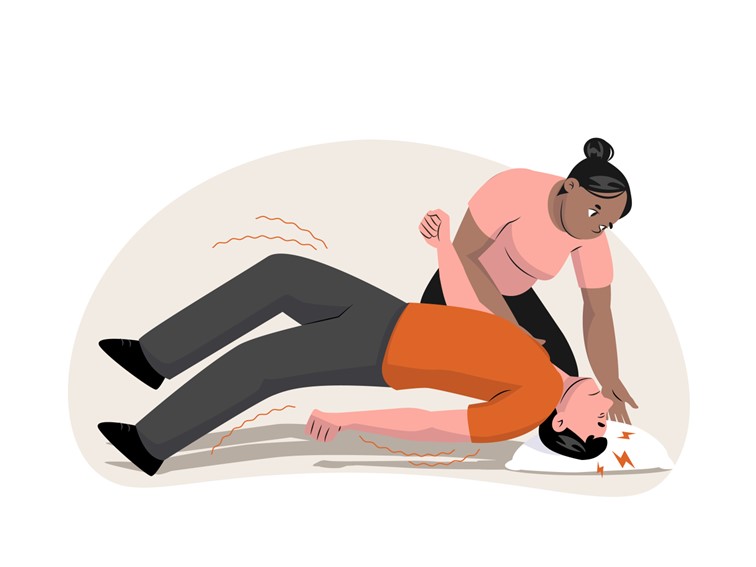
If you are with a child experiencing a tonic-clonic seizure (when the body stiffens, followed by general muscular jerking), attempt to:
- Maintain that child’s composure and stay with the child.
- Keep the child secure and free from harm.
- Put something soft beneath the child’s head and ease any tight garments.
- After the seizure, roll them onto their side.
- Reassure the child till he or she recovers.
- Try to time the seizure.
- Unless the child is in danger, do not put anything in his or her mouth, restrain, or move them.
Epilepsy Smart Australia has created a seizure first aid instruction leaflet that explains what to do if a child experiences a seizure.
If a child experiencing a seizure is in a wheelchair, car, seat, or pram:
- Leave the child seated with their seatbelt on (unless it is causing damage).
- Turn the wheelchair brakes on.
- If it’s a tilt wheelchair, tilt the seat and lock it in place.
- Support their head till the seizure is over.
- Lean gently to one side to let the fluid drain from the mouth.
Epilepsy precautions in water
If a seizure happens in water:
- Support the child’s head, keeping their face out of the water.
- Tilt their head back to get a clean airway.
- If the child is in a pool, remove the child from the water after the jerking ceases.
Note: If the jerking does not cease, get assistance from others and remove the individual from the water at the shallowest end of the pool.
If the individual is in the waves, remove them from the water right away. Flotation devices may be beneficial for extracting someone from the water.
Seek assistance if possible.
When to contact an ambulance for an epileptic seizure?
If your child needs an ambulance, call it immediately. The child experiencing seizures needs an ambulance:
- If the child experiences a seizure lasting 5 minutes or more
- When a second seizure occurs rapidly, and the child does not respond for more than 5 minutes after the seizure finishes
- When the child has breathing issues after the jerking ceases, or this is the child’s first seizure.
- If a child has a seizure in water and is hurt, you may be concerned.
Epilepsy and Your Safety
Anything that impairs a person’s conscious state, awareness, or judgment raises the chance of an accident.
If you have a seizure, your doctor will advise you about driving, operating dangerous machinery, working above ground level, and other safety precautions – but for a child, it is different.
Some people prefer to wear a medical alert bracelet or pendant with epilepsy information in the event of an accident. Another alternative is to keep medical information in your wallet.
Seizure emergencies
Most seizures last less than two minutes. However, some children with epilepsy experience severe or life-threatening seizures. For some children, seizures may last longer or occur in clusters. In some persons, severe seizures occur regularly.
These are termed seizure emergencies. They can cause brain damage and even death; thus, it is critical to identify and treat these seizures as soon as possible.
Fortunately, medicine can be administered in the communities. It will likely halt a severe seizure. Your neurologist can prescribe this medicine in the case of a seizure emergency.
Reducing the risk of Sudden Unexpected Death in Epilepsy (SUDEP)
Knowing about the dangers of harm and death associated with epilepsy allows you to take preventative measures. You can take the following steps to prevent seizure-related risks, injury, or death:
To get the most effective seizure control possible:
- Give the medicines to the child as directed.
(If the child is not getting benefits from current medicine or experiencing adverse effects, consult your doctor).
- Ensure frequent checkups with the pediatric neurologist.
- Become interested in self-management.
- Avoid anything that has been known to cause seizures.
- Determine when the child’s seizures are most likely to occur.
- Ensure sufficient sleep.
- Let the child be healthy.
- Manage the stress levels of the child

Recent Comments